Choosing Field Recording Equipment for Outdoor Conditions
Choose outdoor field recording equipment by matching the complete recorder–microphone setup to the recording target, expected wind, moisture and temperature exposure, session length, and mobility. Prioritise compatible inputs and power, suitable wind protection, documented environmental limits, enough field power with reserve, and a securely usable carried setup; no single recorder, microphone, or accessory is universally suitable outdoors.
Outdoor setup decision assistant
Set the conditions that most change an outdoor recording setup. The result is a selection profile, not a product guarantee: verify the documented limits and compatibility of the actual recorder, microphone, protection, mounting and power source you plan to use.
Selection profile
Start with recorder–microphone compatibility and the required capture setup, then adjust the priority of protection, power and carrying requirements according to exposure, duration and mobility.
- Compatibility and capture fit: match the microphone connection, required power, pickup behaviour, mounting and wind-protection fit to the recorder and recording target.
- Environmental boundary: keep every component within its documented operating conditions; protective accessories do not create undocumented weather resistance.
- Power and handling: plan enough supported field power to finish with reserve, and assess the complete carried setup rather than the recorder body alone.
Treat the recorder, microphone, wind protection, power, mounting and carrying protection as one field system. A short sheltered session may favour portability, while longer or more exposed use shifts priority toward sustained power, appropriate protection and the documented operating limits of every component.
Table of Contents
What Outdoor Conditions Require from Field Recording Equipment
Outdoor conditions change the requirements for field recording equipment through exposure, duration, mobility, and recording-chain sensitivity.
Wind places greater demands on microphone protection, while moisture and temperature make the documented operating limits of the recorder, microphone, and accessories more important.
Limited access to mains power also makes recording continuity dependent on the power available for the planned duration.
These condition-to-requirement relationships, rather than a generic outdoor setup, determine what the equipment needs to handle.

Condition → equipment requirement
- Wind exposure
- Increase compatible microphone wind protection as exposure rises; microphone fit and mounting stability remain part of the requirement.
- Moisture or rain
- Match expected exposure to documented moisture or ingress limits and to the coverage of any protective enclosure; exposed connections still need assessment.
- Temperature
- Keep the recorder, microphone and relevant accessories within their own documented operating ranges; there is no single temperature limit for all field equipment.
- Duration and distance from mains
- Available power must cover the planned recording time with reserve, using only battery or external-power options supported by the recorder.
- Handling and movement
- Use a physically secure, portable setup whose mounts, cables, controls and protection remain practical while carried or repositioned.
Weather Resistance and Outdoor Exposure Limits
Weather resistance for outdoor exposure depends on whether a field recorder or microphone stays within its documented operating conditions under the expected moisture, rain, humidity, and temperature exposure, with any external protection included in that assessment.
Where a manufacturer documents an ingress or environmental rating, that rating applies to the specified equipment and conditions rather than to field recording equipment as a whole.
A protective cover or enclosure can reduce direct exposure, while uncovered connectors or openings can remain exposed.
Documented resistance therefore establishes a condition-specific suitability boundary, not immunity to unrestricted environmental exposure.
Assess weather resistance by matching each expected condition to the documented resistance of the equipment and to any external protection that must be verified before use.
The image clarifies how a protective cover can limit direct moisture exposure while connections or openings may remain exposed.

| Exposure condition | What to verify | Selection implication |
|---|---|---|
| Rain or splash exposure | Manufacturer-documented moisture or ingress protection for the recorder, microphone, and exposed interfaces, plus the coverage provided by any protective cover or enclosure | Select equipment and protection whose documented conditions cover the expected exposure; do not infer rain tolerance from an undocumented enclosure |
| Sustained humidity | Manufacturer-stated operating conditions for humidity or moisture where provided | Use the documented operating conditions as the suitability boundary rather than assuming the same humidity tolerance across devices |
| Temperature extremes | Manufacturer-stated operating temperature range for each relevant component | Match the expected field temperature to the documented range for the specific recorder, microphone, and accessories |
| Exposed connectors or openings | Whether connectors, ports, doors, or other openings remain exposed when protective equipment is fitted | Treat uncovered interfaces as part of the exposure assessment even when the main enclosure has additional protection |
The table's main distinction is that protection and suitability are not interchangeable: a cover or enclosure can reduce direct exposure, but the equipment's documented limits and any exposed interfaces still determine whether the configuration matches the expected conditions.
When evaluating weather and moisture protection, consider the equipment rating, accessory protection, exposed interfaces, exposure intensity, and exposure duration together.
Greater exposure intensity or duration increases the chance of moving beyond the documented or configuration-specific protection boundary, so suitability remains tied to the conditions actually specified.
Outdoor Field Recording Equipment Selection Criteria
Selection criteria for outdoor field recording equipment should weigh environmental exposure, recording duration, mobility, capture needs, and operational reliability together.
Exposure determines the level of protection and physical resilience the outdoor setup requires, while recording duration determines how strongly sustained power and recording continuity influence the selection decision.
Mobility changes the acceptable carrying burden, and capture needs determine what the field recorder and microphone must support for the intended recording.
No single criterion should dominate every outdoor recording scenario. Exposure, duration, mobility and capture requirements need to be weighted together for the complete setup.
The main Outdoor Field Recording Equipment Selection Criteria apply to one recording setup rather than to isolated components.
The image organizes the main decision dimensions around the field recorder and microphone, showing how wind protection, portable power, protective carrying equipment, and outdoor exposure contribute to the overall trade-off.
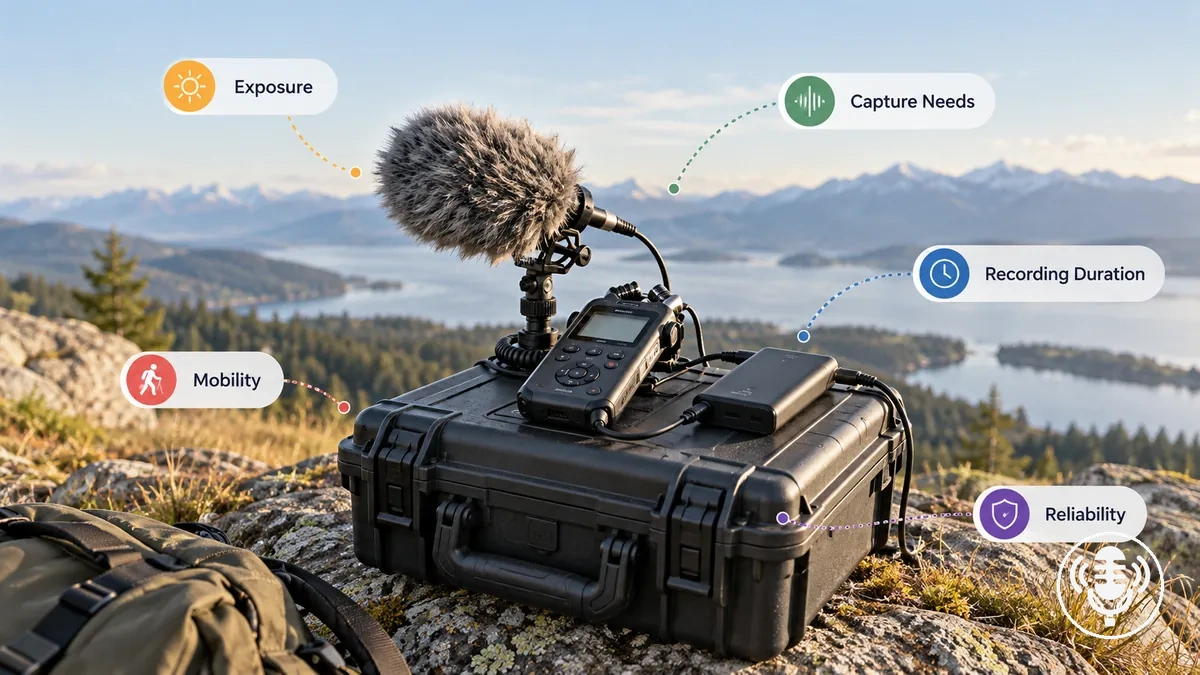
A short-duration mobile session can give greater weight to portability and the required capture configuration because the setup must be carried and repositioned while operating for a limited period.
A longer or more exposed recording shifts more weight toward sufficient field power, protection, physical resilience, and reliability because the equipment must continue operating for longer under the expected conditions.
The resulting selection decision balances the field recorder and microphone requirements with the local wind, power, portability, and ruggedness criteria rather than optimizing any one dimension independently.
Wind Exposure and Microphone Protection Needs
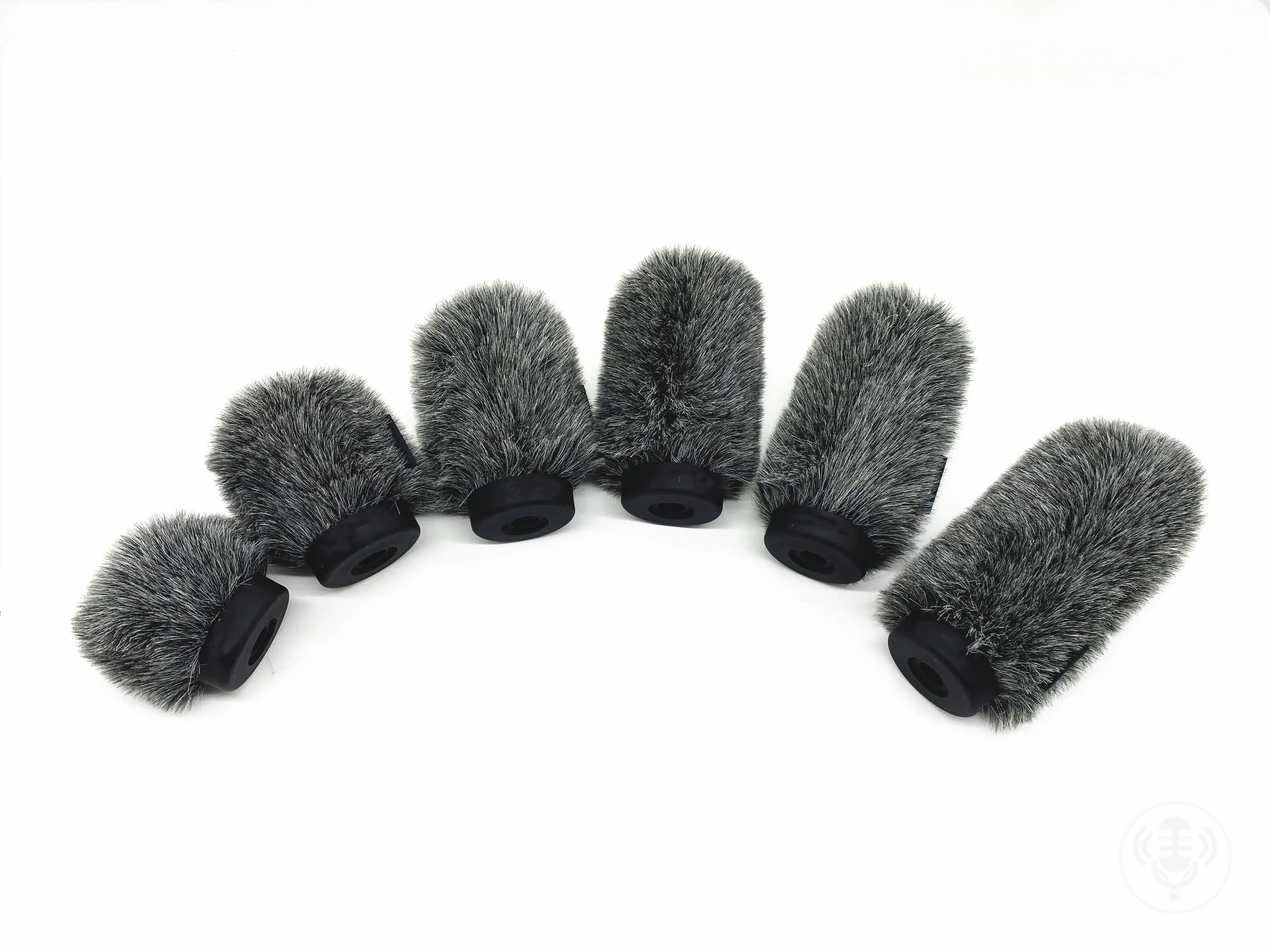
Greater wind exposure generally increases the need for more complete, compatible microphone wind protection because moving air around the capsule can produce wind noise.
The image compares qualitative protection levels against wind exposure, from a foam windscreen to furry protection and a basket or blimp.
The appropriate protection level therefore depends on both the microphone form and the degree of exposure it will face.

Compare wind-protection profiles
Relatively mild air movement
Foam windscreen
Close-fitting protection where its size and shape match the microphone. Check secure fit before relying on it outdoors.
More exposed outdoor use
Furry windscreen
Adds a more substantial physical barrier. Check microphone fit, mounting stability and the added handling bulk.
Higher exposure / more complete protection
Basket or blimp
Creates a larger protected air space around the microphone. Check microphone and mount compatibility as well as the extra size and handling burden.
No windscreen, furry cover, basket or blimp guarantees that all wind noise will disappear. Match the protection to the microphone form, expected exposure and practical handling requirements.
These criteria identify the appropriate level and form of wind protection for the outdoor setup rather than providing the full procedure for fitting or using it.
Battery Runtime and External Power Needs
Required battery capacity for a field recorder depends on recording duration, recorder power demand, connected equipment, temperature, and access to external power.
Phantom power for connected microphones, where used, and other powered accessories add to the recorder load, so battery life must be assessed for the intended configuration rather than from the recorder alone.
Do not assume one battery runtime across different recorders or configurations. Use the stated runtime for the specific recorder, battery type or capacity, usage pattern and documented operating conditions as a planning reference rather than a guaranteed field result.
The image shows the portable power options that can support longer outdoor sessions while actual runtime remains dependent on the recorder and operating conditions.

Plan power for the actual recording chain
- Primary battery: use the recorder’s documented runtime under a comparable load and leave reserve beyond the planned session.
- Spare batteries: provide reserve power without depending on another field power source when the recorder supports replaceable batteries.
- External power: use a power bank or other source only when its output and connection match the recorder’s documented input requirements.
- Reserve margin: increase available energy as recording duration and power demand rise; do not size the plan to end exactly when the session is expected to finish.
Phantom power, connected accessories, temperature and usage pattern can all change actual runtime.
Portability and Ruggedness in the Field
Portability and ruggedness should be balanced against how far a portable field recorder must be carried, how often it will be handled, and the physical exposure expected during field use.
A compact, lightweight setup can reduce carrying burden, while physical resilience should be judged from documented construction and protection rather than appearance.
Weight alone is not a reliable proxy for durability. A heavier recorder should not automatically be treated as more rugged.
Balance the complete carried setup
Portability
Assess size, total carried weight, case, mounts, cables and control access. Lower bulk helps when equipment must be carried or repositioned repeatedly.
Ruggedness
Assess documented construction, connector exposure, mounting security, case coverage and repeated handling. A heavier or solid-looking enclosure is not automatically tougher.
Decision rule: add only the physical protection the expected handling and exposure require, without creating unnecessary carrying burden.
Recorder and Microphone Suitability for Outdoor Recording
A recorder-and-microphone combination is suitable for outdoor recording when the field recorder can support the field recording microphone required by the recording target and both components can operate within the expected field conditions.
Microphone compatibility includes the required recorder input and power arrangement, while the microphone's pickup behaviour, wind protection, mounting, and handling requirements must fit the intended use.
High audio specifications on either component do not establish outdoor suitability by themselves. Compatibility and the documented environmental limits of the complete field setup are joint constraints.
Check the complete recorder–microphone chain
- Connection: the recorder input must support the microphone’s required connection.
- Power: the recorder or supported power arrangement must meet the microphone’s documented needs, including phantom power where the microphone requires it.
- Capture behaviour: the microphone’s pickup behaviour should fit the intended sound source and recording target.
- Protection and mounting: the microphone must physically accommodate the wind protection and mounting needed for the expected exposure.
- Operating conditions: recorder, microphone and accessories must remain within their documented environmental limits as one working setup.
Recorder Features That Matter Outdoors
A field recorder for outdoor use should provide controls that remain practical during field operation, inputs and power that match the connected microphone, supported portable power options for the planned session, and a size and carrying arrangement that fit the intended field use.
A compact, portable recorder can reduce carrying burden, while mounting practicality and accessible controls affect how easily the recorder can be positioned and operated.
Any rugged construction, protection, or environmental tolerance should be judged from the specific recorder's documented characteristics and operating conditions rather than appearance.
These operational attributes determine outdoor suitability independently of headline audio specifications.
Recorder attributes to verify
- Inputs and microphone power
- Support the required external-microphone connection and its documented power needs, including phantom power where applicable.
- Field power options
- Internal or replaceable batteries and supported external-power inputs define the available arrangements; runtime remains configuration-specific.
- Carrying and operation
- Size, weight, mounting points, protective carrying and access to controls determine whether the complete setup is practical to transport, position and operate.
- Physical protection
- A case can reduce physical exposure during carrying, but exposed connectors and controls still form part of the protection assessment during operation.
- Environmental limits
- Use the recorder only within its documented operating conditions and any documented ruggedness or resistance characteristics.
Microphone Characteristics That Matter Outdoors
A field recording microphone is appropriate for outdoor use when its characteristics match the recording target and conditions, particularly its pickup pattern, wind protection compatibility, sensitivity and self-noise where those affect the intended source, and documented environmental tolerance.
For quiet nature sounds, sensitivity and self-noise can influence the ability to capture low-level source detail without microphone noise becoming comparatively prominent, while wind-protection compatibility determines which protective configuration can be fitted to the microphone.
Humidity and other weather tolerance should be judged from the specific microphone's documented operating conditions rather than assumed from its design or appearance.
These dependencies mean that no single outdoor microphone is appropriate for every recording target and environment.
Microphone attributes to match to the target
- Pickup behaviour
- Broader pickup can suit ambience, while more directional pickup can provide greater spatial focus when the recording target requires it.
- Wind-protection fit
- Protection must physically suit the microphone and its mounting arrangement and remain secure enough for practical field use.
- Mounting and cable routing
- Microphone size, mounting, cable routing, exposed connections and handling requirements determine how securely the microphone can be positioned and operated.
- Sensitivity and self-noise
- Evaluate both against the level and character of the intended source, especially for quiet nature sounds where microphone noise can become comparatively prominent.
- Humidity and weather tolerance
- Use the manufacturer’s documented operating conditions rather than inferring environmental resistance from microphone design or appearance.
Prioritising Outdoor Criteria by Exposure and Recording Duration
An outdoor scenario changes which selection criteria deserve greater priority because exposure, recording duration, and mobility alter the demands placed on the recording setup.
A sheltered, short session can place more weight on portability and the required capture configuration, while exposed or longer field use increases the importance of protection, power margin, and physical reliability.
Mobile work also increases the value of manageable carrying and positioning, whereas stationary work can tolerate a less portable setup when other requirements dominate.
The controlling decision variables are therefore field exposure, session length, and how much the equipment must move during recording.
For sheltered versus exposed use, greater exposure raises the priority of wind protection, documented weather tolerance, and appropriate protection for the expected conditions; for short versus long sessions, increasing recording duration raises the importance of sufficient power margin and supported power options.
Greater mobility gives portability more weight, while repeated movement or demanding handling can increase the relevance of documented ruggedness and practical protection.
Prioritising Outdoor Criteria by Exposure and Recording Duration means weighting these criteria according to the recording situation rather than assigning them a fixed order.
The decision matrix organizes the outdoor scenarios by the criteria that deserve higher attention and the conditions that should be verified.
| Outdoor scenario | Higher-priority criteria | Why they matter | What to verify |
|---|---|---|---|
| Sheltered short session | Portability and required capture setup | Limited exposure and session length reduce the relative emphasis on extended power and environmental protection | That the complete setup is practical to carry and operate, with sufficient power for the planned recording duration |
| Exposed short session | Wind protection and weather tolerance | Direct environmental exposure can become the dominant constraint even when recording duration is limited | That microphone protection and documented equipment operating conditions match the expected exposure |
| Mobile longer session | Portability, power margin, and ruggedness | Longer operation increases the importance of available power, while repeated carrying and repositioning increase physical and mobility demands | That supported power options provide reserve beyond the planned session demand and that the complete setup remains practical to carry and handle |
| Stationary or unattended longer session | Power margin, weather tolerance, and ruggedness | Reduced mobility lowers the relative importance of carrying convenience, while longer duration and sustained exposure increase continuity and protection demands | That supported power, documented environmental limits, and physical protection match the planned recording duration and exposure |
The matrix shows that exposure can elevate wind protection and weather tolerance even during a short session, while greater recording duration shifts attention toward power margin and continued operation.
Mobility changes the trade-off again: a setup that remains stationary can accept more carrying burden, whereas a mobile setup places greater priority on portability alongside the protection and power it still requires.
Ruggedness gains relevance when expected handling or exposure makes documented physical resilience important to continued field use.
A criterion that has lower priority in one recording situation can therefore become decisive when exposure, recording duration, or mobility changes.
Use the criteria in this order
- Define the scenario: state the expected exposure, recording duration and mobility before comparing equipment.
- Verify the constraints: check the higher-priority requirements against the documented limits and supported configuration of the recorder, microphone, protection and power arrangement.
- Resolve trade-offs: preserve the requirements the recording situation cannot relax, then treat the remaining attributes as trade-offs before considering individual product examples.
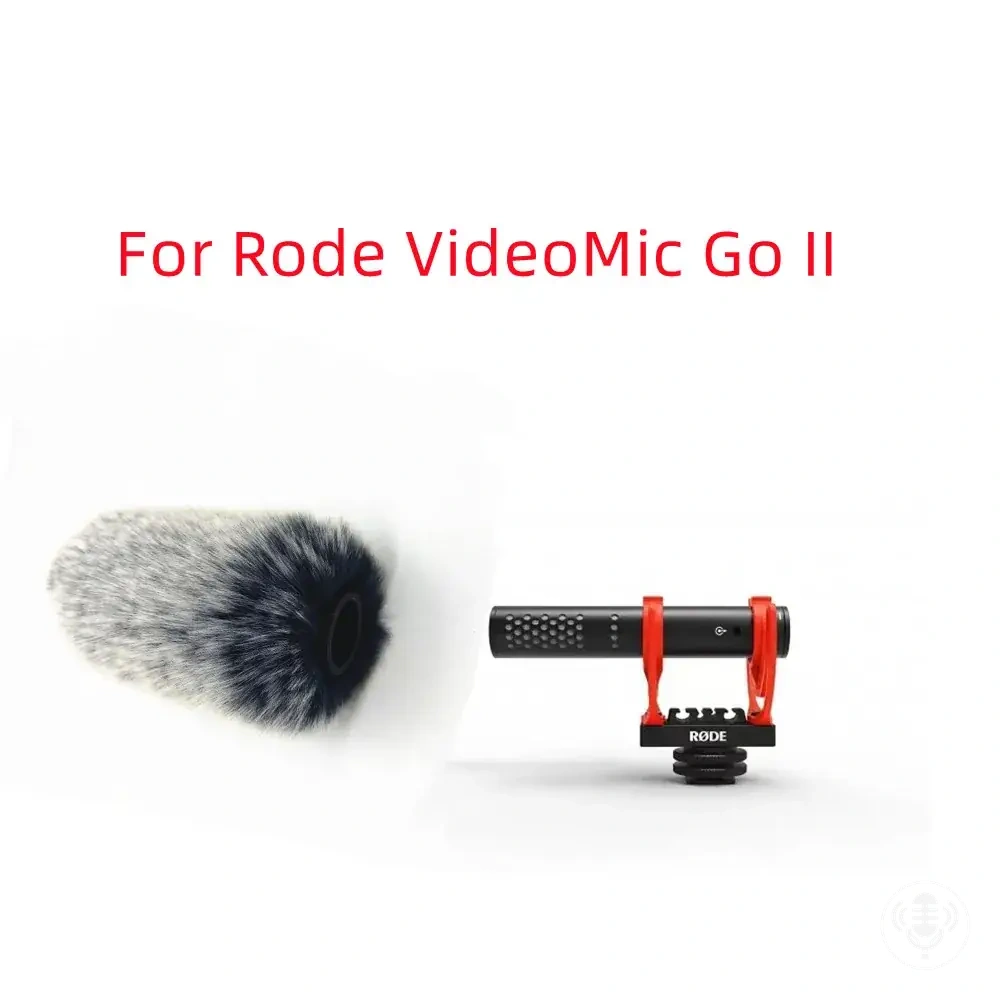
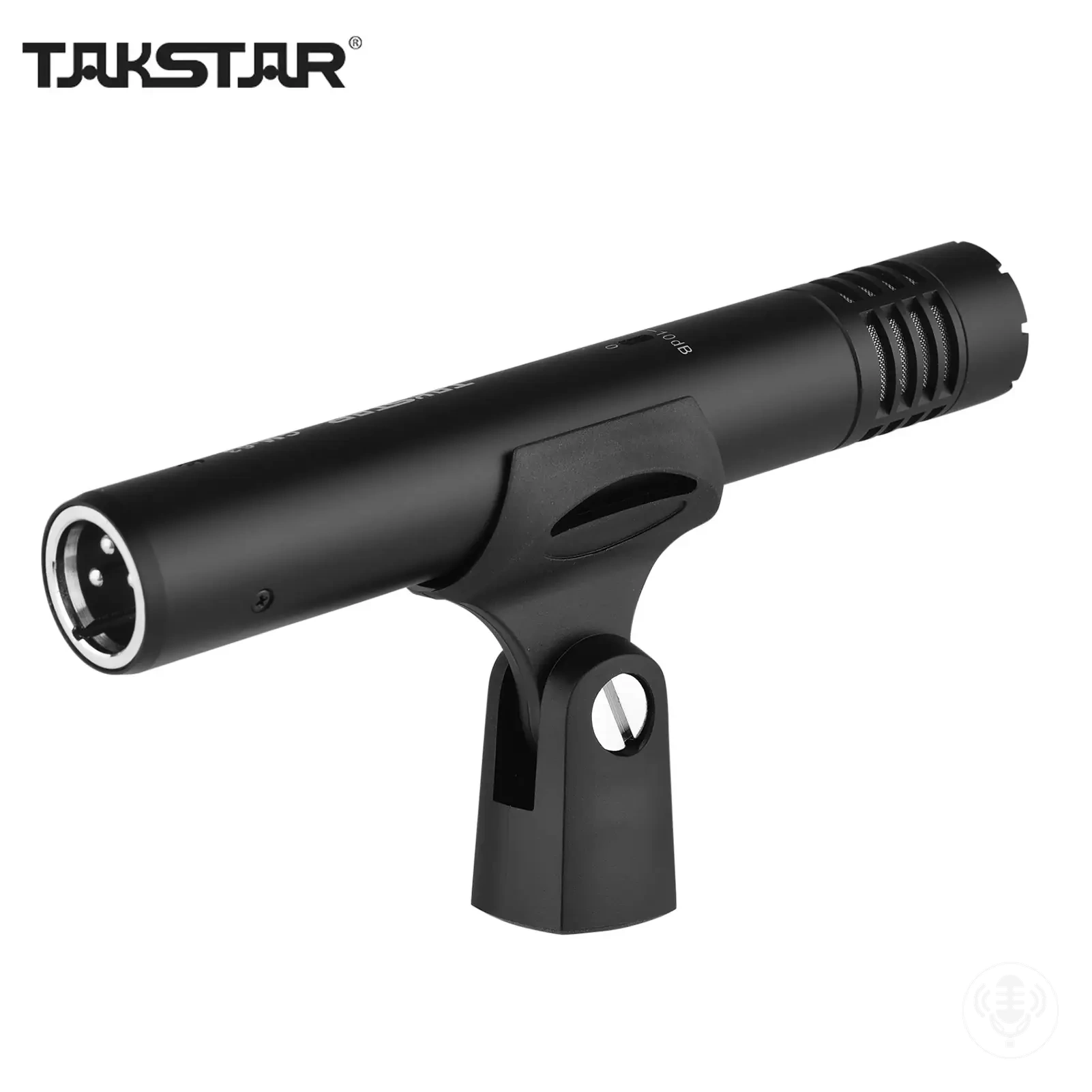
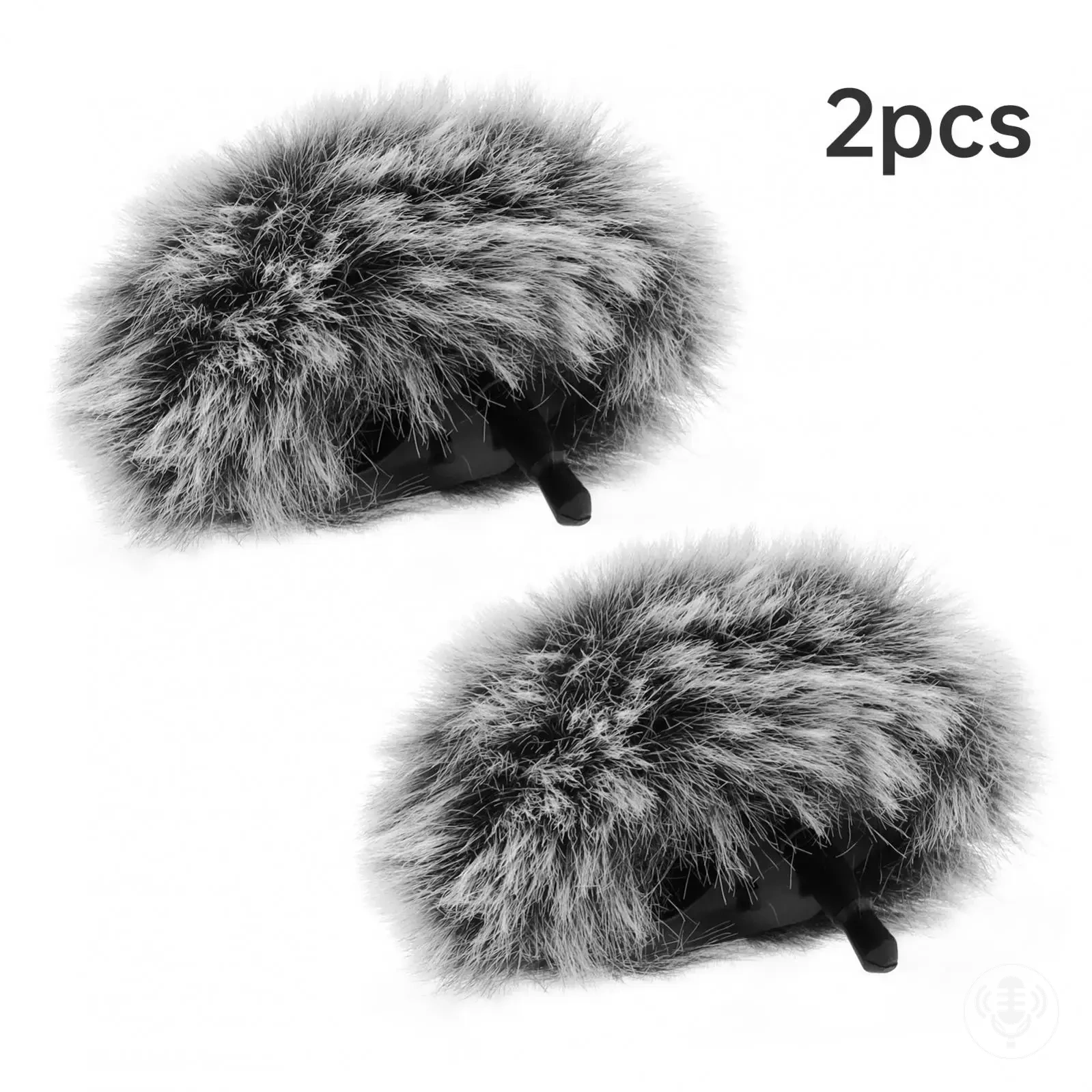
The product examples below represent some of the wind-protection, microphone and carrying categories discussed above; treat them as examples rather than automatic fits for every outdoor setup.
Before following a listing, verify compatibility first: check microphone dimensions, connection and power requirements, mounting, wind-protection fit, and exact model or accessory compatibility.